



The Truth About Airline Upgrades: Who Really Gets Them?
Upgrades are one of the most misunderstood parts of air travel. Many passengers assume they’re random or that a polite request at check-in might do the trick.
In reality, upgrades are tightly controlled, data-driven and rarely given away for free.
Here’s what’s actually happening behind the scenes.
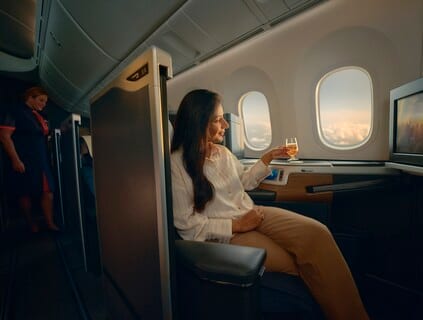
First, Let’s Be Clear: Upgrades Are Not Random
Airlines operate highly sophisticated revenue management systems. Every empty business or first class seat represents lost income so they don’t give them away lightly.
In fact, most premium cabins are carefully managed right up until departure, often with:
- Paid upgrade offers
- Online bidding systems
- Last-minute sales at the airport
The idea of ‘free upgrades for no reason’ is largely outdated.
Who Gets Priority for Upgrades?
1. Airline Staff (On Duty & Repositioning)
One of the biggest misconceptions is that upgrades go to passengers first.
In reality, airline staff often take priority, especially:
- Crew being repositioned for operational reasons
- Staff travelling on duty
These passengers may be allocated premium seats as part of operational requirements, not perks.
2. Airline Employees (Leisure Travel)
Airline staff travelling for personal trips, especially those with long service, often sit high on upgrade lists.
For example, some airlines (like British Airways) maintain extensive staff standby lists that can fill premium cabins before general passengers are considered.
3. High-Status Frequent Flyers (Travelling Alone)
Elite loyalty members can be upgraded but usually:
- Only when travelling solo
- Only when inventory allows
- And often using miles or vouchers
Even then, upgrades are far from guaranteed.
4. Paid Upgrades & Bidding Systems
Increasingly, airlines monetise upgrades through:
- Discounted upgrade offers before departure
- ‘Bid for upgrade’ systems
- Airport upsells on the day
In many cases, the person in the premium seat has simply paid, just at a reduced rate.
Who Is Unlikely to Be Upgraded?
Families & Groups
Moving multiple passengers is operationally difficult, with any available seats likely to be spread across the cabin so upgrades tend to favour solo travellers.
Passengers with Special Meals
Special meal requests complicate catering logistics, making upgrades less likely.
Cheapest Fare Bookings
Deep-discount tickets sit at the bottom of the priority list.
The Role of Check-In Staff (And Why Asking Rarely Works)
Another common myth: asking nicely at check-in will get you upgraded.
In reality:
- Many check-in agents are third-party contractors, especially those checking in economy passengers
- They often don’t have authority to issue upgrades
- Upgrade decisions are typically controlled centrally by airline systems
And yes, those old stories about slipping cash with your passport? That era is long gone.
Why Airlines Don’t ‘Just Upgrade People’
Upgrading a passenger isn’t cost-free. It involves:
- Higher-quality catering which needs to be loaded before departure
- Premium service allocation
- Reduced opportunity to sell that seat
More importantly, airlines must protect the value of their premium cabins.
After all, many passengers have paid thousands for those seats so giving them away arbitrarily would undermine the entire pricing model.
So, What’s the Best Strategy?
If you’re hoping for a free upgrade, the honest answer is:
Don’t rely on it.
Instead:
- Look for advanced discounted premium fares. Airline sales can offer some very competitive rates on business class and a knowledgeable fare specialist agent can often offer even further discounts.
- Take advantage of upgrade offers or bidding. Keep an eye on your in-box in the days before your departure and be ready to put in your bid.
- At check-in, look for signs or ask staff about paid upgrade options. As airlines prefer to keep this quite discreet to avoid upsetting full fare passengers, these deals can be quite subtle or offered selectively.
- Book through specialists who can access non-public pricing. On certain routes, the cost to travel in business class might be quite competitive vs an economy or premium economy seat, especially once you’ve factored in all the additional perks such as baggage allowance, chauffeur transfers (when offered) and lounge access.
Final Thought
Upgrades aren’t about luck and charming check-in staff, they’re about systems, status, and revenue.
While rare exceptions do happen, the vast majority of premium seats are either:
- Paid for
- Allocated strategically
- Or assigned operationally
If comfort matters, the smartest move isn’t to hope for an upgrade, it’s to secure the right seat from the start.
Written by the SkyClub Travel Specialists
SkyClub has been helping premium leisure and corporate travellers book business and first-class flights worldwide for over 30 years, managing thousands of itineraries annually. Our team combines real-world experience, airline expertise and industry insights to provide accurate, actionable advice for long-haul, multi-stop and luxury travel. SkyClub have a 5-star Trustpilot rating with thousands of positive reviews and bookings are ATOL, ABTA and IATA protected.
All content is reviewed for accuracy, updated regularly and based on verified booking data and customer experiences. SkyClub is a registered travel consultancy dedicated to trusted, seamless and informed travel planning.